15 Best Vegetarian Protein Sources in India
India has one of the highest vegetarian populations in the world. Here are the best plant-based protein sources ranked by protein content per 100g.
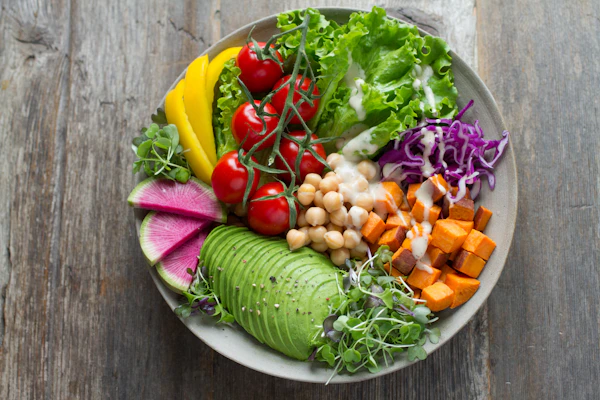
Vegetarian Protein -Why It Matters in India
More than 30 percent of India's population follows a vegetarian diet for cultural, religious, and ethical reasons, making India home to one of the world's largest vegetarian communities. Despite this dietary prevalence, protein deficiency remains surprisingly common among Indian vegetarians, particularly women and children. This gap exists not because vegetarian protein sources are lacking in India, but because many people are unaware of the most nutritious and affordable plant-based options available. The good news is that India has an abundance of vegetarian protein sources that are not only nutrient-dense but also economical. From traditional legumes like masoor and moong to modern options like soya, Indian vegetarians have diverse, accessible tools for meeting their daily protein requirements. Understanding which sources offer the most protein per rupee spent is key to building a sustainable, affordable vegetarian diet.
Top 15 Vegetarian Protein Sources (Ranked)
| Rank | Food | Protein per 100g | Calories | Key Benefit |
|---|---|---|---|---|
| 1 | Soya Chunks (dry) | 52g | 345 kcal | Complete protein |
| 2 | Soya Granules (dry) | 50g | 340 kcal | Versatile texture |
| 3 | Peanuts | 26g | 567 kcal | Healthy fats |
| 4 | Paneer | 18g | 265 kcal | Calcium-rich |
| 5 | Lentils (masoor dal cooked) | 9g | 116 kcal | Iron-rich |
| 6 | Chickpeas (cooked) | 8.9g | 164 kcal | High fiber |
| 7 | Kidney Beans (cooked) | 8.7g | 127 kcal | Folate source |
| 8 | Tofu | 8g | 76 kcal | Low calorie |
| 9 | Quinoa (cooked) | 4.4g | 120 kcal | Complete protein |
| 10 | Greek Yogurt | 10g | 59 kcal | Probiotics |
| 11 | Milk | 3.4g | 42 kcal | Calcium |
| 12 | Moong Sprouts | 7g | 30 kcal | Enzyme-rich |
| 13 | Almonds | 21g | 579 kcal | Vitamin E |
| 14 | Chia Seeds | 17g | 486 kcal | Omega-3 |
| 15 | Hemp Seeds | 31g | 553 kcal | All amino acids |
Complete vs Incomplete Protein
Proteins are made up of amino acids, and your body needs all 20 amino acids to function optimally. A complete protein contains all 9 essential amino acids that your body cannot synthesize on its own, while incomplete proteins lack one or more essential amino acids. Among vegetarian sources, soya chunks and soya granules are complete proteins, providing all 9 essential amino acids in the correct proportions. Quinoa is another complete vegetarian protein, as are hemp seeds and chia seeds. This is why these particular foods are especially valuable for vegetarians. However, incomplete proteins should not be avoided -instead, the key is combining complementary incomplete proteins in the same meal or throughout the day. For example, combining rice with lentils, or bread with peanut butter, creates a complete amino acid profile. This combination approach has been used in Indian cooking for generations: dal with rice, rajma with roti, and chana with poori are all examples of traditional complete protein combinations.
How to Get 50g Protein Per Day (Vegetarian)
Sample Daily Meal Plan to Meet Protein Goals
- Breakfast: 30g soya chunks with milk and whole grain cereal = 18g protein
- Lunch: 1 cup cooked dal with 1 cup rice and vegetables = 12g protein
- Afternoon Snack: Handful of peanuts (30g) = 7g protein
- Dinner: 100g paneer curry with 2 rotis and vegetables = 15g protein
- Total Daily Protein: Approximately 52g
Cost Comparison
| Food | Price per kg (approx) | Protein per kg | Cost per 10g Protein |
|---|---|---|---|
| Soya Chunks | ₹150-200 | 520g | ₹2.90-3.80 |
| Peanuts | ₹150-180 | 260g | ₹5.80-6.90 |
| Lentils (masoor dal) | ₹120-160 | 90g | ₹13-18 |
| Paneer | ₹350-450 | 180g | ₹19-25 |
| Tofu | ₹250-350 | 80g | ₹31-44 |
| Almonds | ₹800-1200 | 210g | ₹38-57 |
Tips for Maximizing Protein Absorption
- Soak and sprout legumes: Soaking and sprouting legumes reduces anti-nutrients like phytic acid, which can block mineral and protein absorption.
- Combine grains with legumes: Eating whole grains like rice, wheat, or ragi with dal or legumes creates complete proteins with all amino acids.
- Add vitamin C with iron-rich foods: Pairing iron-rich lentils, soya, or spinach with vitamin C sources like lemon, tomato, or amla enhances iron absorption.
- Consume protein spread across meals: Eating smaller amounts of protein throughout the day (15-20g per meal) maximizes absorption better than consuming large amounts at once.
- Cook soya properly to remove trypsin inhibitors: Boiling soya chunks for 15 minutes or properly cooking soya granules deactivates anti-nutritional compounds and improves protein digestibility.
Frequently Asked Questions
Which vegetarian food has highest protein?
How can vegetarians get enough protein?
Is soya better than dal for protein?
How much protein does a vegetarian need daily?
Can you build muscle on a vegetarian diet?
Artisan Soya Chunks
High-fiber, high-protein chunks with a satisfying chewy texture, meticulously steam-processed to retain all vital amino acids.
View Product