Soya Chunks vs Paneer: The Complete Protein Comparison
Soya chunks vs paneer - which is the better protein source? We compare nutrition, cost, and best use cases for both.
Nutritional Comparison at a Glance
The debate between soya chunks and paneer has been ongoing in Indian households for years, representing the clash between traditional and modern nutritional choices. Both are excellent protein sources that have earned their place in vegetarian diets, yet they differ significantly in their nutritional profiles and benefits. Understanding these differences helps you make informed choices based on your health goals, dietary restrictions, and budget constraints. While paneer has been a staple of Indian cuisine for centuries, soya chunks offer a more contemporary approach to meeting protein requirements. This comparison examines the nutritional breakdown, protein quality, cost-effectiveness, and best applications of each food.
| Nutrient (per 100g) | Soya Chunks (Dry) | Paneer (Full-Fat) |
|---|---|---|
| Protein | 52g | 18g |
| Calories | 345 | 265 |
| Total Fat | 0.5g | 21g |
| Saturated Fat | 0.1g | 13g |
| Carbohydrates | 33g | 1.2g |
| Dietary Fiber | 13g | 0g |
| Calcium | 350mg | 208mg |
| Iron | 20mg | 0.2mg |
| Cholesterol | 0mg | 70mg |
Protein Quality
Both soya chunks and paneer achieve a perfect PDCAAS score of 1.0, indicating they are complete proteins containing all nine essential amino acids in adequate quantities. This equivalence is remarkable because it means both foods are nutritionally comparable in terms of amino acid profile and bioavailability -the body absorbs and utilizes them with equal efficiency. However, soya chunks deliver this complete protein at a significantly lower cost and with a far superior nutrient density. Paneer, being an animal-derived dairy product, offers the advantage of providing vitamin B12, which is naturally absent in plant-based soya chunks. The amino acid ratios differ slightly between the two, with soya chunks containing slightly higher lysine content while paneer provides marginally more methionine and cysteine. For most individuals, the difference is negligible, and both serve equally well for muscle building, tissue repair, and meeting daily protein requirements.
Cost per Gram of Protein
The cost analysis dramatically illustrates why soya chunks have become increasingly popular among budget-conscious consumers and fitness enthusiasts. Soya chunks typically cost between 150-200 rupees per kilogram, translating to approximately 0.3-0.4 rupees per gram of protein. Paneer, conversely, costs between 350-450 rupees per kilogram, resulting in approximately 1.9-2.5 rupees per gram of protein. This means soya chunks are five to six times cheaper than paneer on a protein basis. For someone consuming 100 grams of dry soya chunks daily (52 grams of protein), the monthly cost would be approximately 450-600 rupees. The same amount of protein from paneer would cost approximately 2,850-3,750 rupees monthly. This substantial difference makes soya chunks the obvious choice for individuals seeking affordable, high-quality protein without compromising nutrition.
When to Choose Soya Chunks
- Muscle Building on a Budget: If you're focused on building muscle mass while minimizing expenses, soya chunks provide the most cost-effective solution. They deliver complete protein at a fraction of paneer's cost, making them ideal for fitness enthusiasts and athletes watching their budget.
- Weight Loss Goals: Soya chunks contain significantly less fat (0.5g vs 21g per 100g) and far fewer calories (345 vs 265 in dry form), making them superior for weight loss when accounting for protein content. The high fiber content also promotes satiety and reduces overall calorie intake.
- Heart Health and Cholesterol Management: With zero cholesterol and virtually no saturated fat, soya chunks are ideal for individuals managing cardiovascular health, high blood pressure, or elevated cholesterol levels. Paneer's 70mg of cholesterol per 100g makes soya chunks the safer choice for heart-conscious consumers.
- Iron Deficiency Prevention: Soya chunks contain 20mg of iron per 100g compared to paneer's negligible 0.2mg. This makes soya chunks invaluable for individuals with or at risk of iron-deficiency anemia, particularly vegetarian women of childbearing age.
- Vegan or Plant-Based Diet: Those following vegan diets cannot consume paneer. Soya chunks are completely plant-based while maintaining nutritional equivalence to animal proteins, making them the only viable choice for vegans seeking complete protein sources.
When to Choose Paneer
- Ketogenic or Low-Carb Diets: Paneer contains only 1.2 grams of carbohydrates per 100g, making it ideal for strict low-carb and ketogenic diets. Soya chunks contain 33 grams of carbohydrates per 100g, making them unsuitable for carb-restricted eating patterns.
- Calcium and B12 Requirements: Paneer provides 208mg of calcium per 100g and naturally contains vitamin B12, making it beneficial for individuals with vitamin B12 deficiency or those with increased calcium needs. Soya chunks require fortification to provide equivalent B12 content.
- Culinary Texture and Taste Preference: Some individuals prefer paneer's firm, creamy texture in dishes like paneer tikka, paneer butter masala, or palak paneer. Soya chunks have a different texture that some find less appetizing, making paneer the better choice based on personal preference.
- Vitamin B12 for Vegetarians: While vegetarians avoid meat, paneer provides bioavailable vitamin B12 that soya chunks lack naturally. Those who don't consume supplements should include paneer regularly to prevent B12 deficiency.
- Children with Picky Eating Habits: Paneer's familiar taste and texture make it more palatable to children who may resist the taste and texture of soya chunks. For parents seeking to incorporate quality protein in children's diets, paneer often faces less resistance.
Can You Eat Both?
The ideal approach for most individuals is incorporating both soya chunks and paneer into a balanced weekly meal plan rather than choosing one exclusively. You might consume soya chunks five days a week for cost-effectiveness and nutritional benefits, then incorporate paneer twice weekly to provide vitamin B12, variety in taste and texture, and the unique nutritional advantages of dairy. This rotation approach provides diverse amino acid profiles and micronutrient benefits while maintaining cost-effectiveness. For those without specific dietary restrictions like veganism or strict carb limitations, this balanced approach offers the best of both worlds. A typical week might include soya chunk curries for three dinners, paneer-based dishes for two dinners, and additional protein sources like lentils or beans for the remaining meals. This variety prevents dietary monotony, ensures comprehensive micronutrient intake, and allows individuals to enjoy the culinary and nutritional benefits of both proteins.
Popular Recipes
Soya Chunk Recipes
- Soya Chunks Curry (Dry or Gravy): Cooked soya chunks are sautéed with onions, tomatoes, ginger-garlic paste, and aromatic spices like cumin, coriander, and garam masala. This versatile curry works as a dry sabzi or a creamy gravy served with rice or bread.
- Crispy Soya Chunk Stir-Fry: Air-fried or pan-fried soya chunks are combined with colorful vegetables like bell peppers, broccoli, and carrots with soy sauce, ginger, and garlic. This Asian-inspired dish provides texture and can be served as a standalone dish or with noodles.
- Soya Chunks Biryani: Cooked soya chunks are layered with basmati rice, caramelized onions, fragrant spices, and herbs in a traditional biryani preparation. This provides a protein-rich variation of the classic dish suitable for special occasions.
- Soya Chunks Salad: Cold cooked soya chunks are combined with fresh vegetables, lemon juice, olive oil, and herbs for a refreshing, high-protein salad. This is ideal for office lunches or light dinners with minimal cooking required.
Paneer Recipes
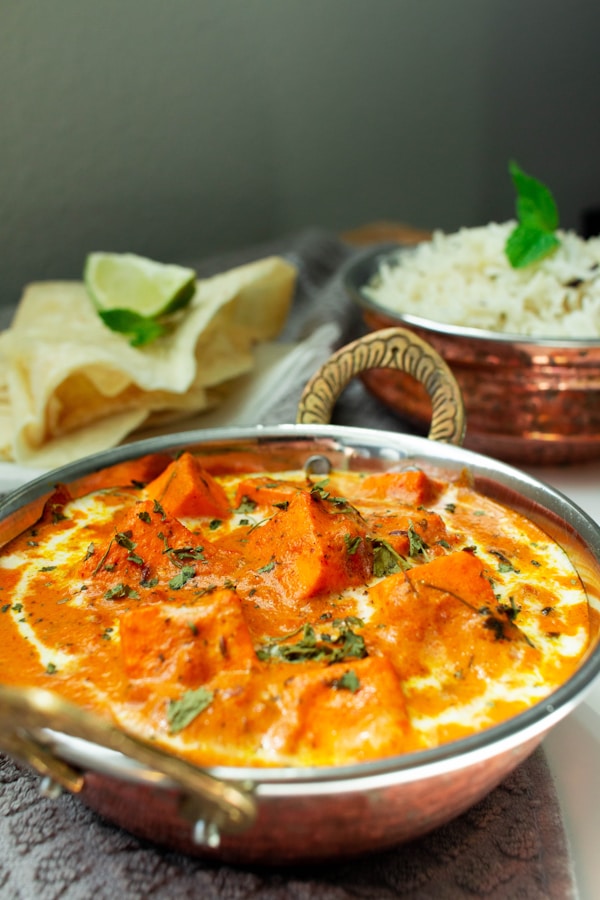
- Paneer Tikka Masala: Marinated paneer cubes are grilled and simmered in a creamy tomato-based gravy with aromatic spices. This restaurant-style dish is rich, flavorful, and a celebration favorite in Indian homes.
- Palak Paneer: Blanched and puréed spinach is combined with creamy paneer in an aromatic sauce with spices and cream. This nutritious dish combines iron from spinach with calcium from paneer, making it both delicious and health-conscious.
- Paneer Tikka: Marinated paneer cubes with vegetables are grilled over charcoal or in an oven until edges are charred. This appetizer is high in protein, low in carbohydrates, and perfect for appetizer platters.
- Chilli Paneer: Quick-fried paneer cubes are tossed with capsicum, onions, and an Indo-Chinese sauce of soy sauce, vinegar, and garlic. This popular Indo-Chinese creation is perfect for parties and gatherings.
Frequently Asked Questions
Which has more protein: soya chunks or paneer?
Are soya chunks or paneer better for gym and muscle building?
Can soya chunks help with weight loss better than paneer?
Is it safe to eat soya chunks and paneer daily?
Why do soya chunks taste different from paneer?
Artisan Soya Chunks
High-fiber, high-protein chunks with a satisfying chewy texture, meticulously steam-processed to retain all vital amino acids.
View Product