Soya Chunks Protein per 100g: Complete Nutrition Guide
How much protein do soya chunks really have? We break down the full nutritional profile, compare it with paneer, eggs, and chicken, and share daily intake recommendations.
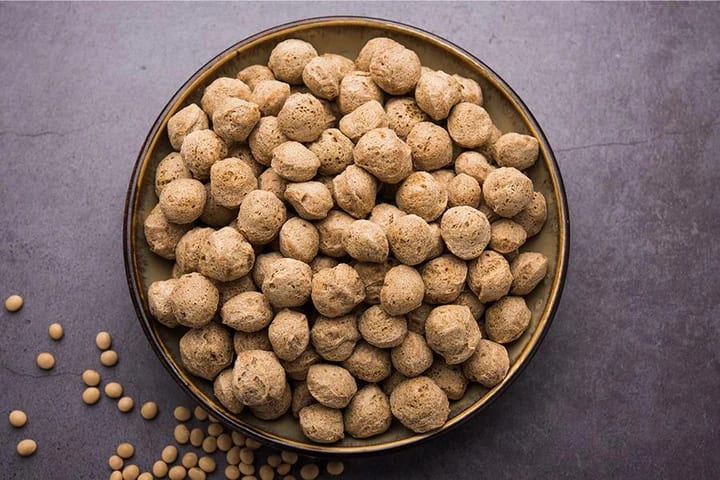
Soya Chunks Nutritional Value Per 100g
Soya chunks contain approximately 52 grams of protein per 100 grams in their dry form, making them one of the most protein-dense plant foods available. When cooked -through soaking and boiling -they absorb water and roughly triple in weight, bringing the protein content down to about 16-18 grams per 100 grams of cooked product. This transformation is crucial to understand because most people consume soya chunks in their cooked form, not dry. A single serving of 25-30 grams of dry soya chunks, when cooked, yields approximately 75-90 grams of protein-rich food that can be incorporated into curries, stir-fries, or salads. Despite the apparent drop in protein concentration after cooking, the total protein per serving remains unchanged -only the density decreases due to water absorption.
| Nutrient | Per 100g (Dry) | Per 100g (Cooked) |
|---|---|---|
| Protein | 52g | 16-18g |
| Calories | 345kcal | 115kcal |
| Carbohydrates | 33g | 11g |
| Dietary Fiber | 13g | 4.3g |
| Total Fat | 0.5g | 0.2g |
| Calcium | 350mg | 117mg |
| Iron | 20mg | 6.7mg |
| Potassium | 2490mg | 830mg |
Why Soya Chunks Are a Complete Protein
Soya chunks are a complete protein, containing all nine essential amino acids that the human body cannot synthesize on its own: leucine, isoleucine, valine, lysine, methionine, phenylalanine, threonine, tryptophan, and histidine. They achieve a Protein Digestibility Corrected Amino Acid Score (PDCAAS) of 1.0, which is the highest possible rating and equal to eggs, milk, and poultry. This means that soya chunks are nutritionally equivalent to animal-based proteins in terms of amino acid completeness and digestibility. For vegetarians and vegans, this is particularly significant because many plant-based proteins lack one or more essential amino acids, making soya chunks an exceptional choice for meeting daily protein requirements. The bioavailability of soya protein is also excellent, meaning the body can absorb and utilize these amino acids efficiently for muscle building, repair, and various physiological functions.
Soya Chunks vs Other Protein Sources
When comparing soya chunks to other common protein sources, the nutritional profile becomes remarkably clear. Soya chunks offer a unique combination of high protein content, minimal fat, low calories, and substantial dietary fiber. This makes them stand out not just for the quantity of protein they provide, but also for the overall nutritional package. Unlike animal proteins such as paneer or chicken, soya chunks deliver protein without the associated saturated fat and cholesterol that can impact cardiovascular health.
| Food (per 100g) | Protein | Calories | Fat | Fiber |
|---|---|---|---|---|
| Soya Chunks (dry) | 52g | 345 | 0.5g | 13g |
| Paneer | 18g | 265 | 21g | 0g |
| Eggs (boiled) | 13g | 155 | 11g | 0g |
| Chicken Breast | 31g | 165 | 3.6g | 0g |
| Lentils (cooked) | 9g | 116 | 0.4g | 8g |
| Tofu | 8g | 76 | 4.8g | 0.3g |
What This Comparison Shows
The comparison reveals that soya chunks have the highest protein-per-calorie ratio among all listed options, delivering 52 grams of protein for just 345 calories. They contain the lowest fat content at 0.5 grams per 100 grams, making them ideal for those monitoring fat intake or managing cholesterol levels. Soya chunks also provide 13 grams of dietary fiber per 100 grams, which supports digestive health, promotes satiety, and helps regulate blood sugar levels. Compared to paneer, soya chunks contain nearly three times more protein while having significantly lower fat (0.5g vs 21g) and no cholesterol. Compared to chicken breast, while chicken provides 31 grams of protein, soya chunks still offer 52 grams in their dry form while containing virtually no fat. This makes soya chunks the most efficient protein source for muscle building on a lean diet.
8 Health Benefits of Soya Chunks
- Muscle Building and Repair: The complete amino acid profile of soya chunks makes them ideal for post-workout recovery and muscle growth. They provide all the building blocks needed for muscle protein synthesis without excess calories or fat.
- Weight Management: High protein content promotes satiety and reduces hunger cues, while dietary fiber adds bulk without calories. This combination naturally reduces overall calorie intake and supports sustainable weight loss.
- Heart Health: Soya chunks are cholesterol-free and contain virtually no saturated fat, making them an excellent choice for cardiovascular health. They can help lower LDL cholesterol levels when substituted for high-fat protein sources.
- Bone Health: Each serving of soya chunks provides 350 milligrams of calcium per 100 grams, supporting bone density and reducing the risk of osteoporosis. This is particularly important for individuals avoiding dairy products.
- Digestive Health: The 13 grams of dietary fiber in soya chunks promotes regular bowel movements, feeds beneficial gut bacteria, and supports overall digestive function. This helps prevent constipation and promotes a healthy microbiome.
- Blood Sugar Regulation: Soya chunks have a low glycemic index and high fiber content, preventing rapid blood sugar spikes. This makes them suitable for people managing diabetes or prediabetes.
- Prevents Iron-Deficiency Anemia: With 20 milligrams of iron per 100 grams, soya chunks are an excellent iron source. The vitamin C content in many meals containing soya chunks enhances iron absorption further.
- Affordable Protein Source: At approximately 150-200 rupees per kilogram, soya chunks provide the most affordable protein option. They cost five to six times less per gram of protein compared to paneer, making quality nutrition accessible to all.
How Much Soya Chunks Should You Eat Per Day
The optimal daily intake of soya chunks for most adults is between 25 to 50 grams in dry form, which translates to approximately 75-150 grams when cooked. This quantity provides 13-26 grams of high-quality protein, sufficient for most people's daily requirements depending on body weight and activity level. For a 70-kilogram person engaged in moderate activity, this represents roughly 20-30% of the recommended daily protein intake. Athletes and individuals engaged in strength training may consume up to 50 grams of dry soya chunks daily to support muscle growth and recovery. However, exceeding 50 grams of dry soya chunks per day may lead to digestive issues such as bloating and gas in some individuals due to the high fiber and oligosaccharide content. It's advisable to start with smaller quantities and gradually increase intake to allow the digestive system to adapt. Individual tolerance varies based on gut health, cooking method, and overall dietary fiber intake from other sources.
How to Cook Soya Chunks
- Boiling Method: Soak dry soya chunks in water for 10 minutes until they begin to soften. Then boil them in fresh water for approximately 5 minutes. Drain the water and squeeze out excess moisture gently before using in your recipes. This method produces tender chunks suitable for curries and stir-fries.
- Pressure Cooking: Add soya chunks to water in a pressure cooker and give just one whistle on high heat. Let the pressure release naturally, then drain. This is the fastest method and works well when time is limited, producing perfectly cooked chunks in under 5 minutes.
- Microwaving: Place soya chunks in a microwave-safe container and cover completely with water. Microwave on high for approximately 5 minutes, stirring halfway through. Let cool before draining excess water. This method preserves more nutrients due to the shorter cooking time.
- Direct Curry Addition: For a time-saving approach, add dry soya chunks directly to your cooking gravy or curry. The chunks will absorb the liquid and hydrate while cooking with the spices, infusing them with flavor. Add extra water to account for absorption and allow 15-20 minutes for complete hydration.
- Air Frying for Crispy Texture: Marinate cooked and squeezed soya chunks in spice paste for 30 minutes. Spread them on an air fryer tray and air fry at 180 degrees Celsius for approximately 12 minutes, shaking the tray every 4 minutes. This creates a crispy, snack-like texture perfect for salads or standalone consumption.
Side Effects and Precautions
- Excessive Intake May Cause Bloating and Gas: The high fiber and oligosaccharide content in soya chunks can cause digestive discomfort if consumed in large quantities. Start with small portions and increase gradually to allow digestive adaptation.
- People with Thyroid Conditions Should Consult a Doctor: Soya contains goitrogens that may interfere with thyroid function in susceptible individuals. Those with hypothyroidism should consult their healthcare provider about appropriate intake levels.
- High Uric Acid Patients Should Moderate Intake: Soya chunks contain purines that convert to uric acid in the body. Individuals with gout or elevated uric acid should limit consumption and monitor their response.
- Soy Allergy Sufferers Must Avoid: People with soy allergies should completely avoid soya chunks as they can trigger allergic reactions ranging from mild to severe. Always check food labels for soy ingredients when dining out or consuming processed foods.
- Always Cook or Soak Before Eating: Never consume soya chunks raw. They must be properly cooked or soaked to neutralize anti-nutritional factors, improve digestibility, and enhance nutrient absorption. Raw soya chunks are difficult to digest and may cause gastrointestinal upset.
Frequently Asked Questions
How much protein is in 100g of soya chunks?
Are soya chunks a complete protein?
Can I eat soya chunks every day?
Do soya chunks lose protein when cooked?
Are soya chunks better than paneer for protein?
Are soya chunks good for weight loss?
Artisan Soya Chunks
High-fiber, high-protein chunks with a satisfying chewy texture, meticulously steam-processed to retain all vital amino acids.
View Product