Coriander Powder: Nutrition Facts, Benefits & Uses
Coriander powder is far more than a flavoring agent. Packed with antioxidants, fiber, and minerals, it offers real health benefits when used daily.
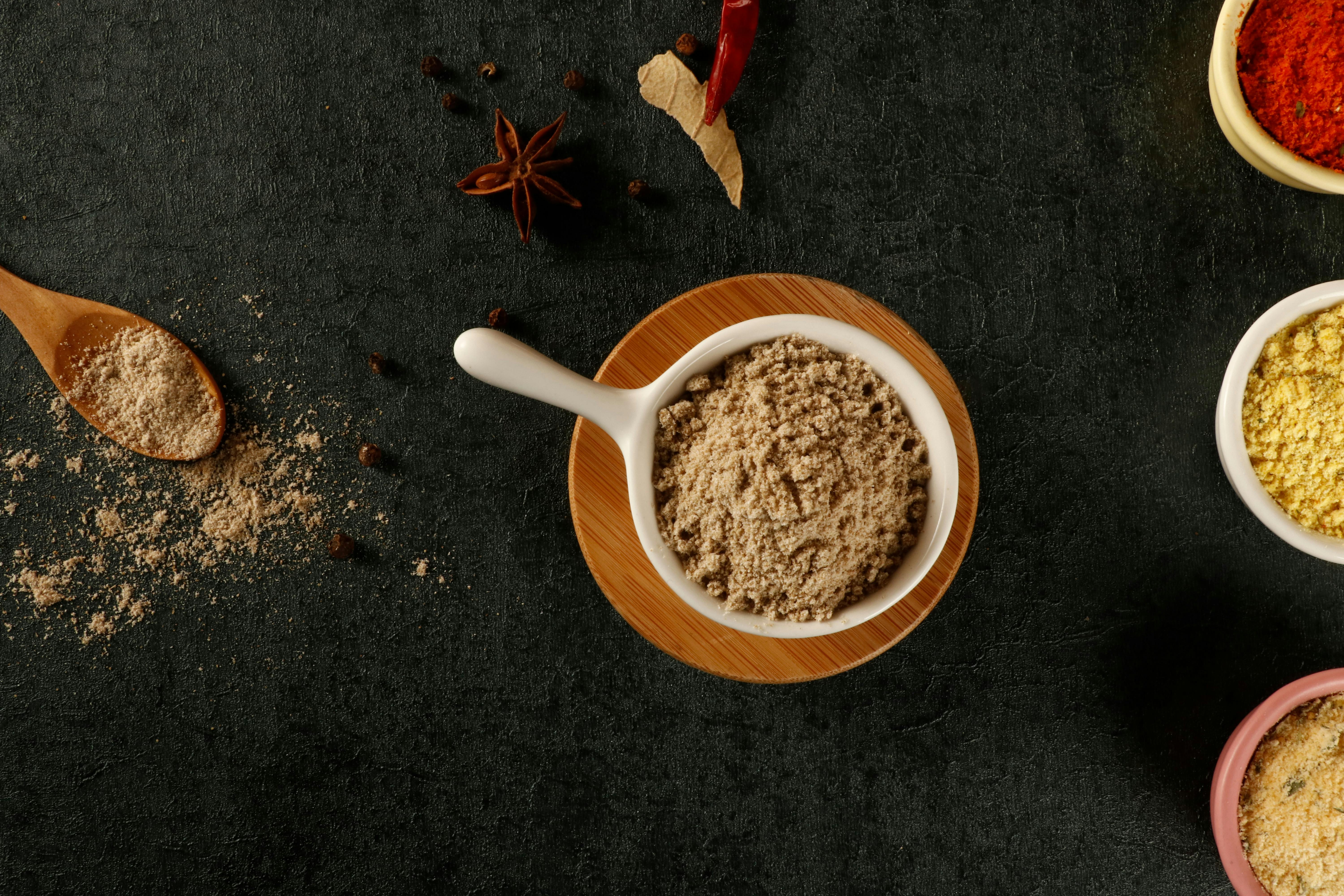
Coriander Powder Nutrition Per 100g
Coriander has been a staple in Indian kitchens for thousands of years, valued not just for its warm, citrusy flavor but for its remarkable nutritional profile. The seeds of the coriander plant are packed with essential nutrients that support digestive health, heart function, and overall wellness. When used regularly in cooking, even in modest quantities, coriander powder can contribute meaningful amounts of minerals, fiber, and antioxidants to your daily diet. Unlike many spices that are purely flavoring, coriander offers genuine nutritional benefits that make it one of the most important ingredients in traditional Indian cuisine.
| Nutrient | Per 100g |
|---|---|
| Calories | 298 kcal |
| Protein | 12.4g |
| Carbohydrates | 55g |
| Fat | 17.8g |
| Dietary Fiber | 41.9g |
| Iron | 16.3mg |
| Manganese | 1.9mg |
| Magnesium | 330mg |
| Calcium | 709mg |
| Vitamin C | 21mg |
| Potassium | 1,267mg |
What Makes Coriander Powder Special
The magic of coriander lies in its volatile essential oils, particularly linalool and geraniol, which give it its distinctive aroma and many of its health benefits. These compounds are far more concentrated in the dried ground seeds compared to fresh coriander leaves. While fresh cilantro leaves are excellent sources of vitamin K and vitamin C, coriander powder from the dried seeds contains higher concentrations of fiber, minerals, and those beneficial essential oils. When coriander seeds are dried and ground, the nutrients become more bioavailable, meaning your body can absorb and utilize them more effectively. This is why traditional medicine systems have favored coriander powder for digestive and anti-inflammatory support for centuries.
7 Health Benefits of Coriander Powder
- Aids digestion and reduces bloating: Coriander stimulates digestive enzymes and helps reduce gas and bloating associated with heavy meals.
- May help lower cholesterol: Studies suggest the compounds in coriander may help reduce LDL (bad) cholesterol levels when consumed regularly.
- Blood sugar regulation: Coriander may improve insulin secretion and help maintain steady blood sugar levels throughout the day.
- Rich in antioxidants: The essential oils and plant compounds in coriander powder combat oxidative stress and free radical damage in your body.
- Anti-inflammatory properties: Regular consumption may help reduce systemic inflammation linked to chronic diseases.
- Supports skin health: The antioxidants and antimicrobial properties make coriander beneficial for clear, healthy skin when consumed internally.
- Natural antimicrobial: Coriander powder has been shown to have antibacterial and antifungal properties that support immune function.
Fresh Coriander vs Coriander Powder
While both fresh coriander leaves and coriander powder come from the same plant, they offer different nutritional profiles and culinary benefits. Fresh cilantro leaves are superior sources of vitamin K and vitamin C, making them ideal for adding to salads, chutneys, and garnishes where you want maximum nutrient preservation. However, coriander powder derived from the dried seeds contains significantly more dietary fiber and concentrated minerals like calcium, magnesium, and iron. The ground seeds also contain higher levels of the beneficial volatile oils responsible for digestive and anti-inflammatory benefits. The best approach is to use both: fresh leaves for their vibrant vitamins and fresh flavor, and ground powder for its mineral density and digestive benefits. They complement each other rather than compete, and a well-rounded diet includes both forms.
How to Use Coriander Powder in Cooking
- Curry base spice: Toast whole seeds or ground powder in oil before adding other ingredients to develop rich, warm flavors in curries and gravies.
- Marinades and rubs: Combine coriander powder with yogurt, lemon, and garlic for flavorful meat or vegetable marinades.
- Soup and stew flavoring: Add to vegetable soups, lentil broths, and bean stews for depth and digestive benefits.
- Spice blends: Use as a key component in garam masala, curry powder, and tandoori spice mixes.
- Roasted vegetables and rice: Sprinkle ground coriander over roasted vegetables or mix into rice dishes for subtle flavor and nutrition.
Storage Tips for Maximum Freshness
To preserve the aroma and potency of coriander powder, store it in an airtight container away from direct sunlight and heat. A cool, dark pantry is ideal. Ground coriander is best used within 6 months of opening for optimal flavor and therapeutic benefits, as the volatile essential oils gradually dissipate over time. Whole coriander seeds retain their freshness and aroma much longer than ground powder, often staying potent for a year or more. If you frequently use coriander, consider buying whole seeds and grinding them at home in small batches as needed. This simple step ensures you always have the most flavorful and nutrient-rich powder available.
Side Effects
- May cause allergic reactions in sensitive individuals: Some people may experience allergies to coriander, particularly those allergic to parsley, fennel, or caraway.
- Excessive consumption may lower blood pressure too much: People on blood pressure medications should consume coriander in normal culinary amounts and consult their healthcare provider.
- Pregnant women should consume in normal culinary amounts only: While normal cooking amounts are safe, excessive supplementation is not recommended during pregnancy without medical guidance.
Frequently Asked Questions
Is coriander powder good for digestion?
How much coriander powder per day?
Does coriander powder expire?
Is coriander powder the same as cilantro?
Can coriander powder help with weight loss?
Aromatic Coriander
Freshly ground coriander seeds that release a citrusy, woody aroma to elevate every culinary creation.
View Product