Is Tomato Ketchup Healthy? The Truth About Your Favourite Condiment
Ketchup sits on every table in India, but most people have no idea what is actually inside the bottle. We break down the nutrition and what to look for.
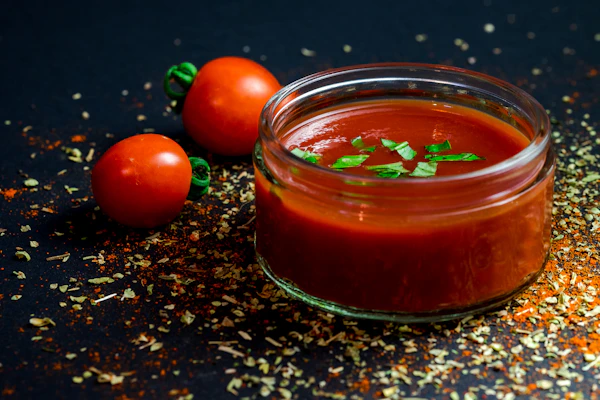
What Is Actually in Most Ketchup?
When you pick up a bottle of commercial ketchup at your local store, the ingredient you expect to be primary -tomato -often makes up only 30 to 40 percent of the product. The majority of most ketchup bottles is actually sugar, high fructose corn syrup, vinegar, salt, and various preservatives. Some brands use water as the second ingredient after tomato paste, further diluting any nutritional value. The marketing on the bottle emphasizes "made from real tomatoes" to create the impression of a healthy product, but this is misleading. What you are actually buying is a sugar sauce with tomato flavoring. This is why reading labels carefully is crucial. Understanding what goes into your ketchup helps you make informed choices for your family's health.
Ketchup Nutrition Facts Per 100g
| Nutrient | Typical Commercial | High-Tomato (85%+) |
|---|---|---|
| Calories | 112 kcal | 78 kcal |
| Sugar | 22g | 12g |
| Sodium | 907mg | 620mg |
| Protein | 1.7g | 2.1g |
| Fiber | 0.3g | 1.2g |
| Tomato Content | 30-40% | 85%+ |
| Preservatives | Yes | None |
| Lycopene | Low | High |
The Problem with Most Ketchup
The sugar content in conventional ketchup is alarmingly high, especially considering most people pour it straight from the bottle without measuring. A single tablespoon of typical store-bought ketchup contains about 4 grams of sugar - equivalent to a full teaspoon of sugar added to your food. For a family using ketchup multiple times per week, this quickly adds up to hundreds of grams of hidden sugar monthly. Beyond sugar, most commercial ketchups contain high fructose corn syrup, which some research suggests may be worse for metabolic health than regular sugar. The sodium content is also extremely high at over 900mg per 100g, meaning just two tablespoons provides more than half the recommended daily sodium intake. Many brands also use artificial colors and preservatives like sodium benzoate, turning what appears to be a simple tomato condiment into an ultra-processed food. This is why so many nutritionists recommend limiting ketchup consumption or switching to high-tomato alternatives.
Health Benefits of Tomato-Based Condiments
- Lycopene -a powerful antioxidant: Tomatoes contain lycopene, which is actually better absorbed from cooked tomatoes than fresh, making ketchup a good source if tomato content is high enough.
- Vitamin C content: Tomatoes provide vitamin C, an essential nutrient for immune function, collagen synthesis, and antioxidant protection.
- Potassium source: Tomatoes are good sources of potassium, which supports heart health and healthy blood pressure regulation.
- Low-calorie condiment option: Compared to mayo or cheese-based sauces, tomato ketchup is relatively low in calories, making it a lighter flavor addition.
- No cholesterol: Being plant-based, tomato ketchup contains no dietary cholesterol, making it heart-friendly in moderation.
How to Read a Ketchup Label
- First ingredient should be tomatoes: Check the ingredient list -if water, sugar, or corn syrup appear before tomato, the product is heavily diluted. Tomato should be first.
- Check sugar per serving: Look at the nutrition label for grams of sugar per tablespoon. Aim for less than 5 grams per tablespoon if possible.
- Look for "no preservatives" or "no artificial colors": Premium ketchups skip sodium benzoate and artificial dyes. This usually correlates with higher quality.
- Check tomato percentage if listed: Some premium brands list the percentage of tomato solids used. 75% or higher indicates a genuinely tomato-based product.
- Shorter ingredient list is better: A ketchup with 8-10 simple ingredients is more trustworthy than one with 20+ additives and preservatives.
Ketchup vs Sauce -What Is the Difference?
While the terms "ketchup" and "sauce" are sometimes used interchangeably, they have distinct technical definitions in food industry standards. Ketchup is specifically a thick, tomato-based condiment with a higher tomato paste concentration, specific spice profiles, and carefully controlled sugar-to-vinegar ratios. Tomato sauce is thinner in consistency, more vinegar-forward, and often contains more varied spices and herbs. Ketchup is designed as a finished condiment ready to use directly from the bottle, while tomato sauce is frequently used as a base ingredient in cooking. In terms of nutrition, premium tomato sauces often have higher tomato content and lower sugar than commercial ketchups, making them a better choice for those monitoring sugar intake. Understanding this difference helps you choose the right product for your needs and dietary goals.
How Much Ketchup Is Too Much?
A reasonable serving of ketchup is 1 to 2 tablespoons per meal, which adds flavor without excessive sugar overload. If you have hypertension or are monitoring sodium intake, even this amount requires careful consideration given the high sodium content. The real issue is that ketchup easily accumulates across multiple meals and snacks throughout the day -a tablespoon at breakfast, with lunch, and with dinner quickly becomes 3-6 tablespoons daily. For people trying to reduce sugar intake, managing portion size is crucial. Instead of pouring freely, measure ketchup into a small bowl or use a squeeze bottle with measurement lines. This simple habit helps you stay aware of actual consumption and prevents hidden sugar from accumulating.
Frequently Asked Questions
Is ketchup good for health?
How much sugar in ketchup?
Is ketchup a vegetable?
What is the healthiest ketchup?
Is homemade ketchup better?
Is ketchup healthy?
Is tomato ketchup fattening?
Is ketchup bad for you?
What are the health facts about ketchup?
Continental Sauce
A sophisticated blend of vine-ripened tomatoes, cloves, and a secret infusion of aromatic herbs.
View Product